Our Services
From wells to pumps and hydrants to excavation, we handle it all with care
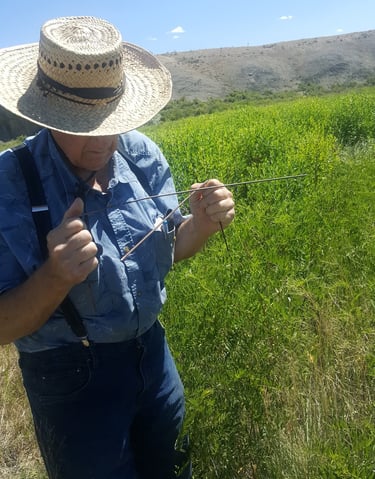
Water Wells
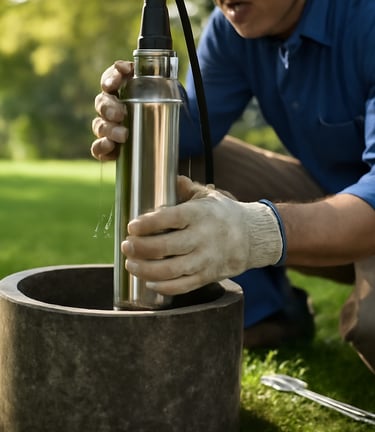
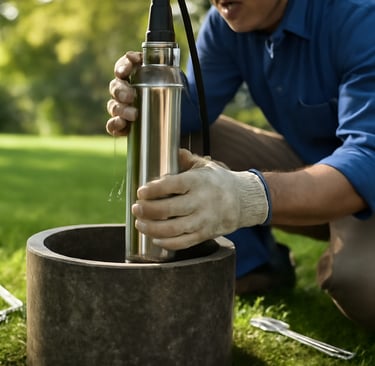
Pump Services
Land Assessments
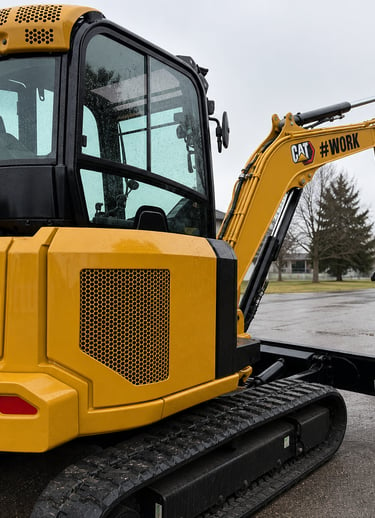
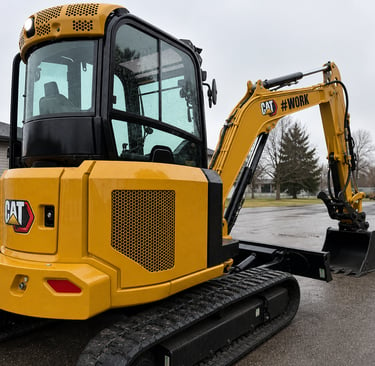
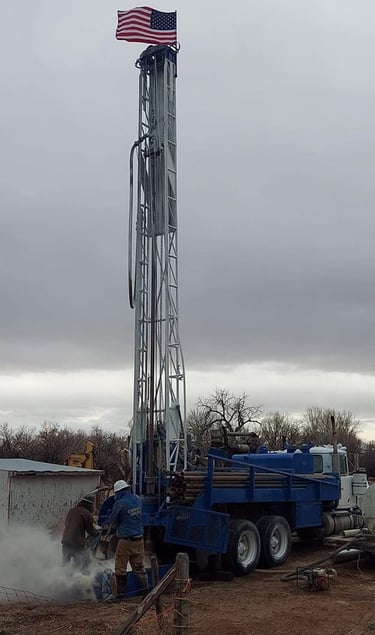
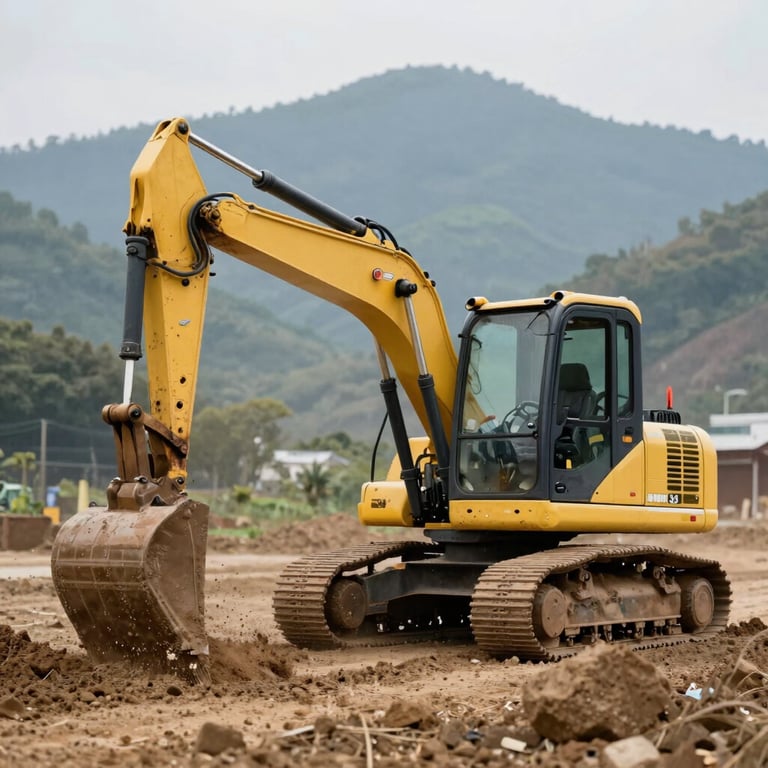
Excavation Services
Hydrant Installation
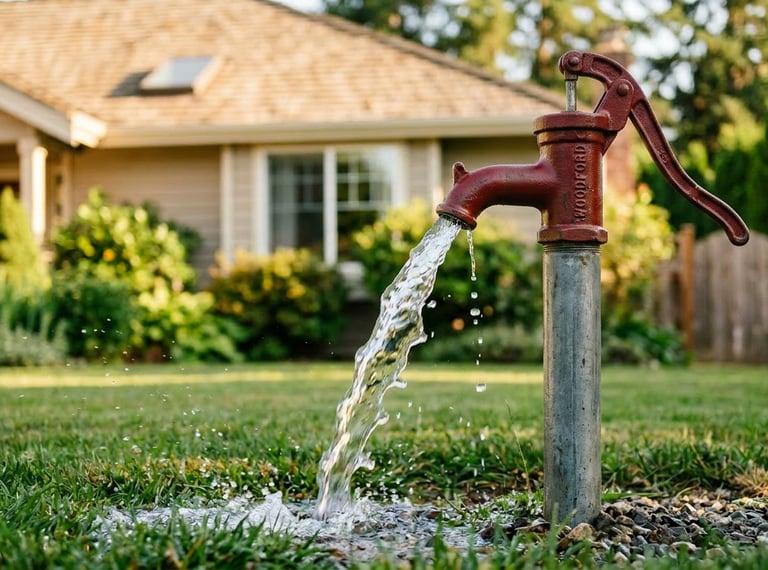
Well Drilling
Guide to water well drilling.

File for a Permit for groundwater with the State of Wyoming. Don't worry, we do this for you!
Site Prep


Permitting
Drilling
Finalizing your well with UW6 form (no worries, we do this for you!)
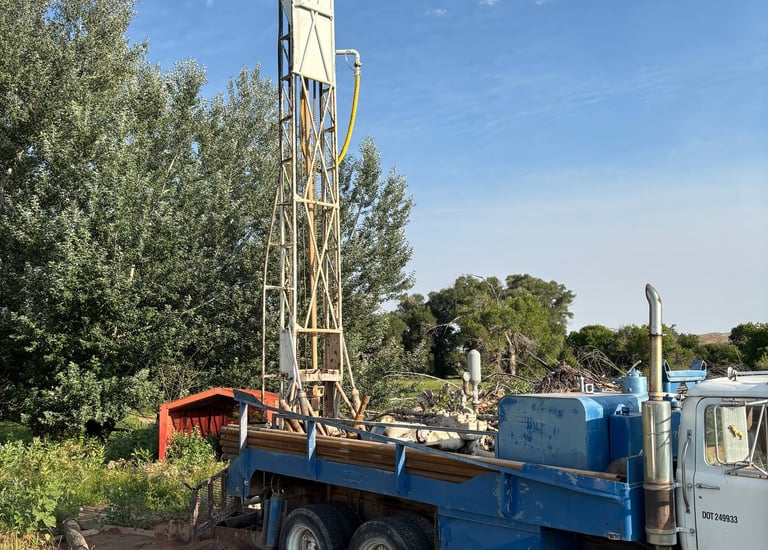
The drilling process is a crucial sequence of steps designed to create a reliable source of clean water. The operation begins with the selection of the appropriate drill bit, which is essential for establishing the well structure and ensuring the integrity of the water supply.
Initially, we utilize a 12 1/4" drill bit. This larger bit allows us to drill down to the necessary depth for setting an 8" surface casing. The purpose of this casing is twofold: it provides structural support to the well and effectively seals the upper portion of the borehole. To further enhance the well's integrity, we implement a grouting process around the casing. This grout serves as a barrier that prevents ground contaminants from infiltrating the well, thereby protecting the water source from potential pollution.
Once the surface casing is in place and securely grouted, the next step is to switch to a smaller diameter drill bit. This transition is vital as it enables us to delve deeper into the geological formations and assess the presence of an adequate water supply. The smaller bit facilitates a more precise drilling process, allowing us to navigate through various soil and rock layers where groundwater may be trapped.
As we approach the zone where we anticipate finding sufficient water, we evaluate the geological characteristics to ensure an optimal drilling trajectory. Upon identifying a suitable aquifer, we proceed to set a 5" casing. This casing forms an additional barrier, safeguarding the groundwater and streamlining the well's operation.
In tandem with the casing, we install a filter pack composed of high-quality sand. This filter pack plays a critical role in the overall function of the well. It acts as a natural filtration system, allowing water to flow freely into the well while trapping sediment and contaminants. The choice of sand used in this process is essential, as it directly influences the water quality and the efficiency of the filtration.
After the casing and filter pack are in place, the development stage commences. This phase is crucial for ensuring that the well performs optimally. During development, the aim is to enhance the flow of water into the well, removing any fines or drilling debris that may hinder water movement. Various techniques may be employed, including surging, bailing, or air-lifting, to effectively dislodge these particles. This process not only improves water quality but also maximizes the well's yield.
In conclusion, the water well drilling process is a meticulously planned series of steps that begins with establishing a secure casing and proceeds through careful drilling and filtration. Each phase of the process, from the initial drilling with a 12 1/4" bit to the final development practices, is designed to ensure the well is both effective and environmentally safe, ultimately providing a sustainable source of clean water.
Pump Installation
Pump Installation Know How
Pump Sizing
Installation
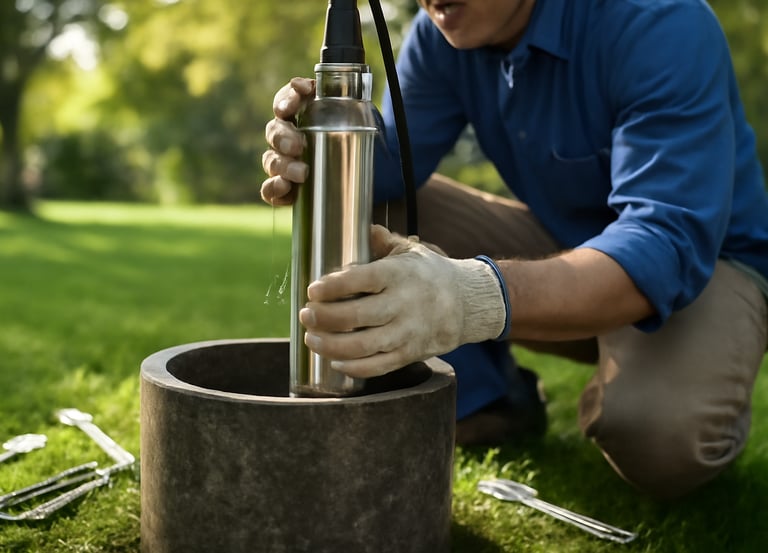
When it comes to pump installation, you can count on our certified technicians to deliver professional and timely service. We take pride in our team’s expertise, ensuring that every installation is conducted with meticulous attention to detail and adherence to industry standards.
For most of our installations, we typically utilize poly pipe. This choice is made due to its flexibility, durability, and resistance to corrosion, making it an ideal solution for various pumping applications. Poly pipe is lightweight and easy to handle, which lends itself well to efficient and effective installations.
However, for deeper well applications, we switch to PVC piping. PVC offers the necessary strength and rigidity required to withstand the increased pressures
Final Testing
Finally, it’s vital to know the distance to which the water will be pumped. The horizontal distance from the pump to the point of use may also influence the pump size, as additional energy is required to move water over a greater distance.
By carefully measuring and understanding these variables—well depth, static water level, pumping water level, and the distance for pumping—you can accurately size a pump tailored to your needs, ensuring efficient operation and sufficient water supply.


When it comes to sizing a water pump for your specific needs, understanding several key factors is essential. First and foremost, you must know the well depth, which is the total distance from the surface to the bottom of the well. This measurement is crucial as it informs you of how much water is available and determines the pump's ability to access that water.
Next, you need to ascertain the static water level. This is the depth at which water stands in the well when no water is being pumped. Knowing this level allows you to understand the starting point from which the pump will have to draw water.
Additionally, consider the pumping water level, which is the actual level of water in the well when the pump is actively drawing water. This measurement often decreases as water is pumped out, which affects the performance and efficiency of the pump.
associated with deeper installations. By using PVC, we ensure that the piping can endure the operational demands and maintain the integrity of the system over time.
In summary, whether it’s poly or PVC, our commitment to using the right materials for our installations guarantees a robust and reliable pump system tailored to meet your specific needs. Trust our certified pump installation technicians to provide you with a seamless experience from start to finish.
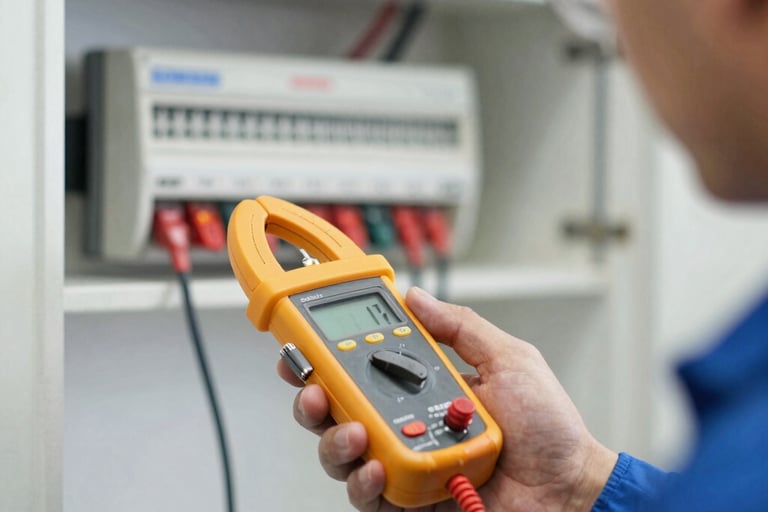
Final testing of the pump and associated equipment is a critical procedure that ensures everything operates seamlessly and efficiently. To initiate this process, all components must be powered on, allowing for a comprehensive assessment of the system's performance.
The first step involves ensuring that the power supply to the pump and its electrical components is securely connected. Once verified, the system can be activated. We observe indicators such as voltage levels, current draw, and any unusual sounds or vibrations.
Following the activation, we watch the electrical output. It is essential to use a multimeter to measure the voltage and current running through the pump. These readings will provide valuable insight into the efficiency of the
Excavation Services
From ditches to hydrants, Kitty handles your excavation needs.
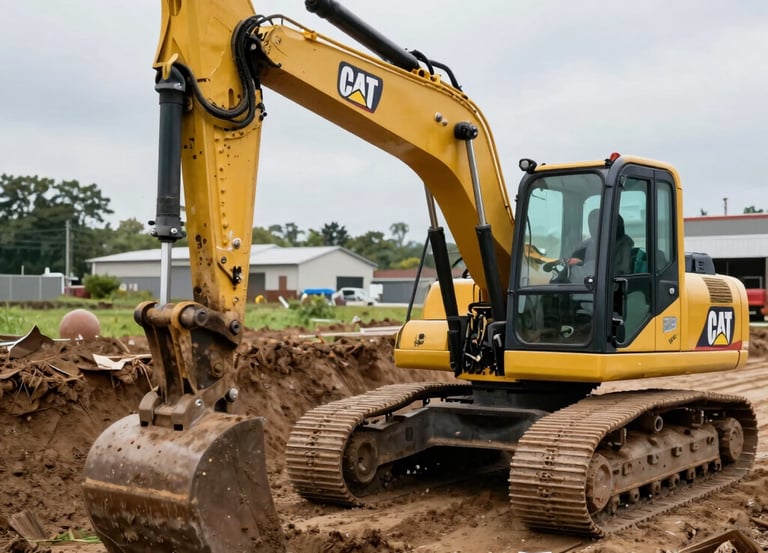
Ditch Excavation
Kitty can help us run lines, dig ditches or help smooth out your constructed driveway.
Well Pits
Careful excavation for well pits
Hydrant Setup
Installing frost free hydrants efficiently. Hydrants can be placed just about anywhere, however they should never be placed directly next to the well. This can cause issues if the well ever needs to be cleaned out or deepened.
Pitless Adaptor Installation
Installing a pitless adaptor in a well takes a bit of precision but kitty makes it easy. Trenching by well casing is a bit tricky, you don't want to disturb the seal that protects the well from ground contaminants.
Land Wisdom
Guiding your build with dowsing and decades of land knowledge.


Well Placement
Pinpoint ideal water spots using trusted dowsing techniques.
Site Assessment
Detailed land analysis to help you choose the perfect build spot.
Septic Solutions
Expert advice on septic and leach field installation options.
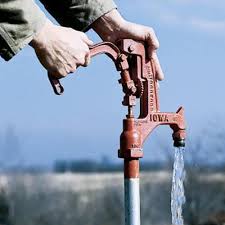
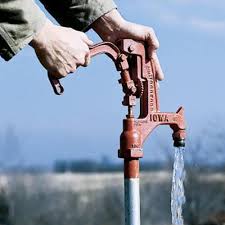
Hydrant Services
We install, repair, and relocate frost-free yard hydrants.
Installation
Expert setup of frost-free hydrants for year-round use.
Repair
Quick fixes to keep your hydrants flowing smoothly.
Relocation
Move your yard hydrant to a more convenient spot.
Get in Touch
Questions about hydrant installation or service? We're here to help you keep your irrigation flowing smoothly.
Phone
307-388-4877 307-347-4877
dnewtondrlg@gmail.com
Contact Us
Reliable water well services for every need
Phone
dnewtondrlg@gmail.com
307-388-4877
© 2025. All rights reserved.